Sphenosciadium capitellatum - Ranger's Buttons
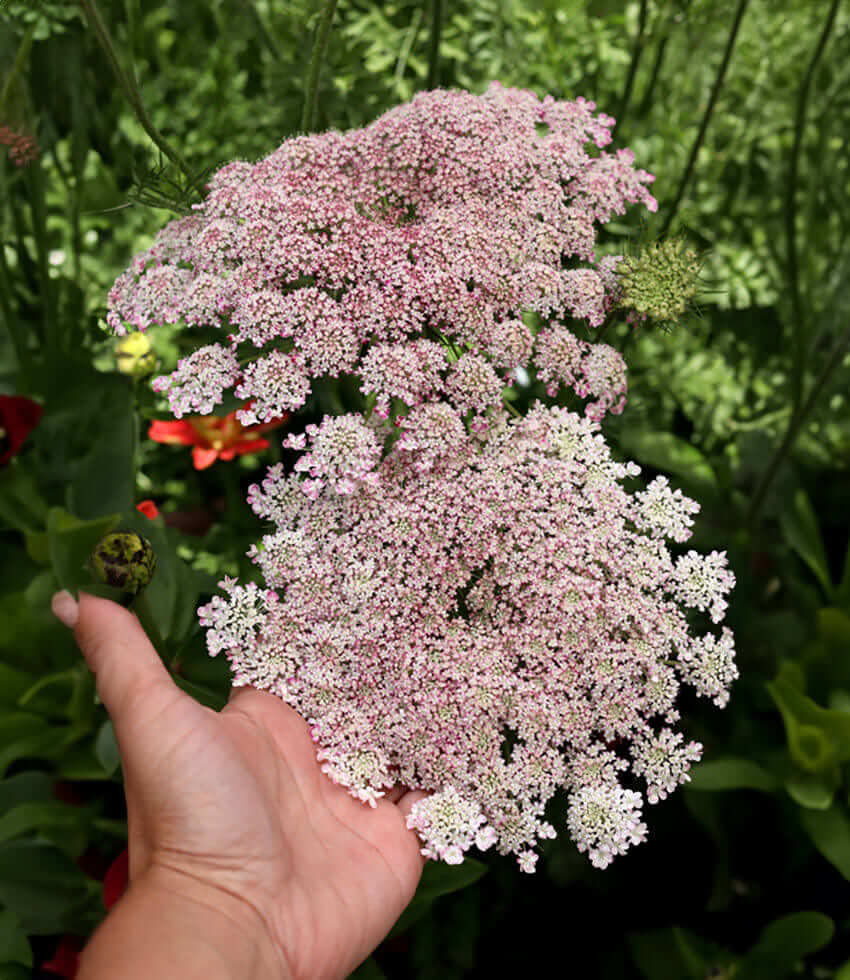
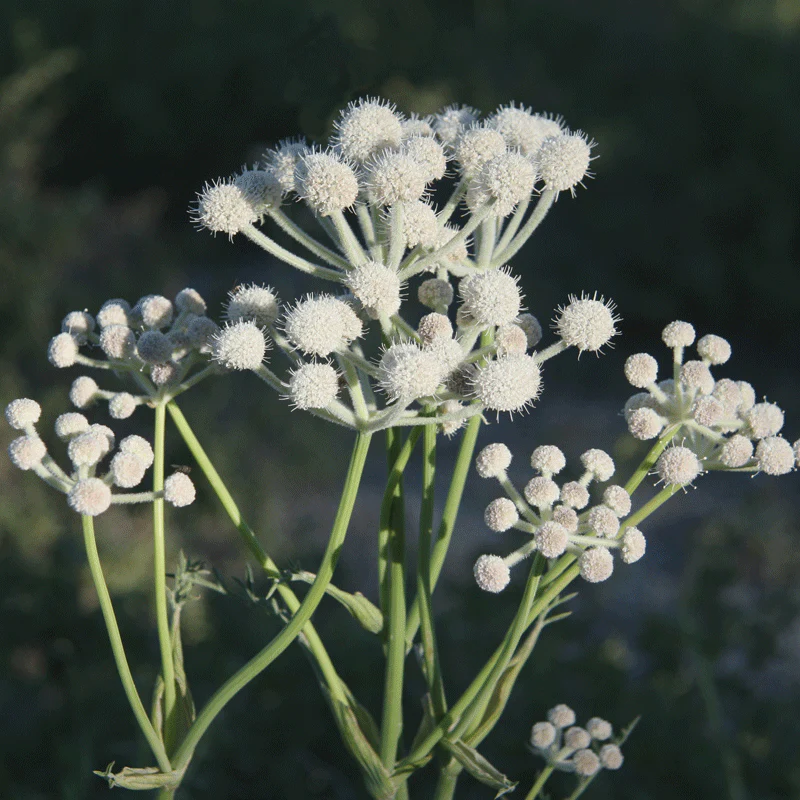
Sphenosciadium capitellatum, commonly known as Ranger’s Buttons, is a distinctive western native perennial with tall, upright stems and rounded clusters of small white to purplish flowers. Also treated botanically as Angelica capitellata, this Apiaceae family wildflower is native to California and other parts of western North America, where it is commonly found in moist meadows, streambanks, wetlands, and high-elevation habitats.
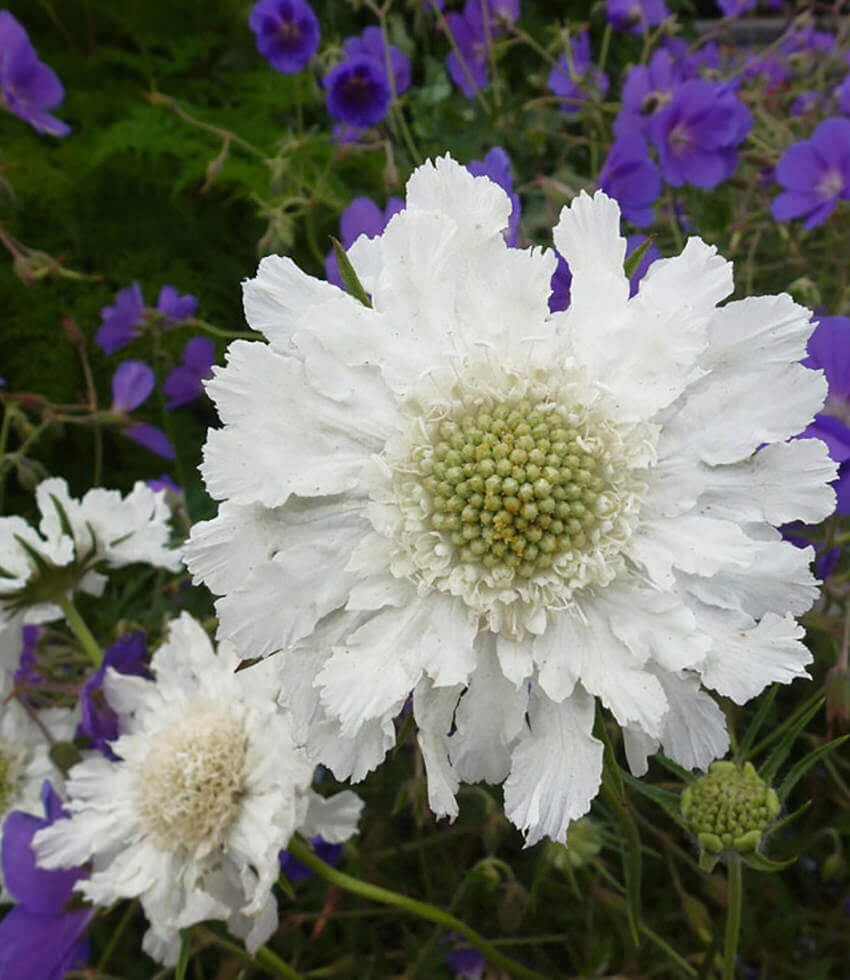
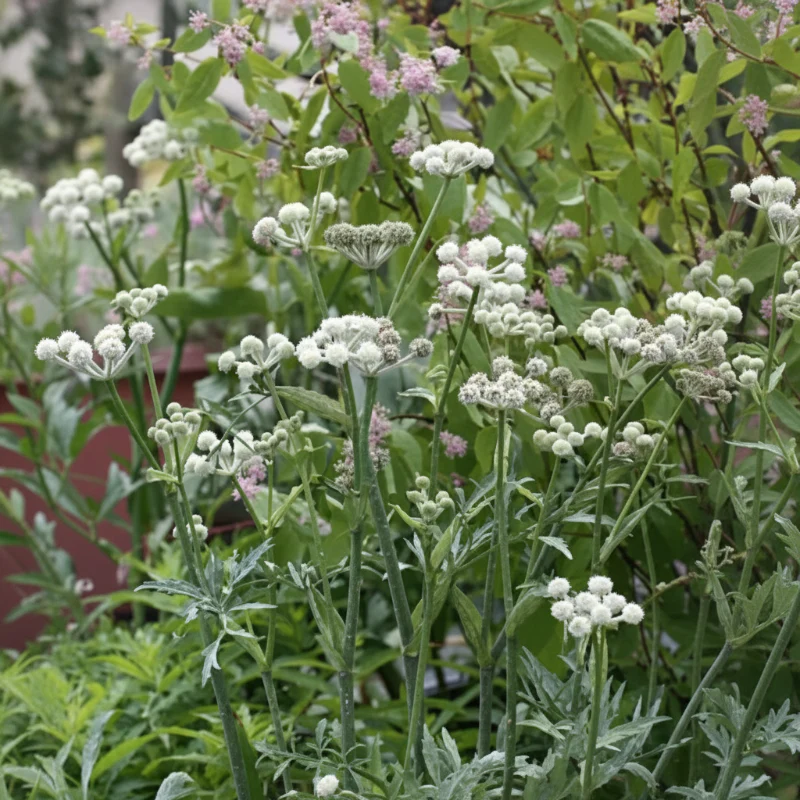
Ranger’s Buttons earns its name from its unusual button-like flower clusters, which appear in summer and bring architectural texture to native gardens, rain gardens, pollinator plantings, and naturalistic landscapes. Mature plants can reach about 3–6 feet tall, with finely divided green foliage and stout stems topped by rounded umbels. The flowers are typically white, sometimes pinkish or purple-tinged, and are highly attractive to bees, butterflies, and other beneficial insects.
This plant performs best in full sun to partial shade with regular to high moisture, making it a strong choice for areas that stay naturally damp. It is not a dry-garden plant; give it consistent water and moisture-retentive soil for best results.
Use Ranger’s Buttons where height, pollinator value, and native-plant character are desired. It is especially well suited to meadow-style plantings, pond edges, bioswales, rain gardens, and woodland-edge borders. It is a bit of a specialty plant—not the everyday garden-center wallflower, which is exactly the point.
Original: $12.99
-65%$12.99
$4.55Product Information
Product Information
Shipping & Returns
Shipping & Returns
Description
Sphenosciadium capitellatum, commonly known as Ranger’s Buttons, is a distinctive western native perennial with tall, upright stems and rounded clusters of small white to purplish flowers. Also treated botanically as Angelica capitellata, this Apiaceae family wildflower is native to California and other parts of western North America, where it is commonly found in moist meadows, streambanks, wetlands, and high-elevation habitats.
Ranger’s Buttons earns its name from its unusual button-like flower clusters, which appear in summer and bring architectural texture to native gardens, rain gardens, pollinator plantings, and naturalistic landscapes. Mature plants can reach about 3–6 feet tall, with finely divided green foliage and stout stems topped by rounded umbels. The flowers are typically white, sometimes pinkish or purple-tinged, and are highly attractive to bees, butterflies, and other beneficial insects.
This plant performs best in full sun to partial shade with regular to high moisture, making it a strong choice for areas that stay naturally damp. It is not a dry-garden plant; give it consistent water and moisture-retentive soil for best results.
Use Ranger’s Buttons where height, pollinator value, and native-plant character are desired. It is especially well suited to meadow-style plantings, pond edges, bioswales, rain gardens, and woodland-edge borders. It is a bit of a specialty plant—not the everyday garden-center wallflower, which is exactly the point.