Asclepias speciosa - Davis
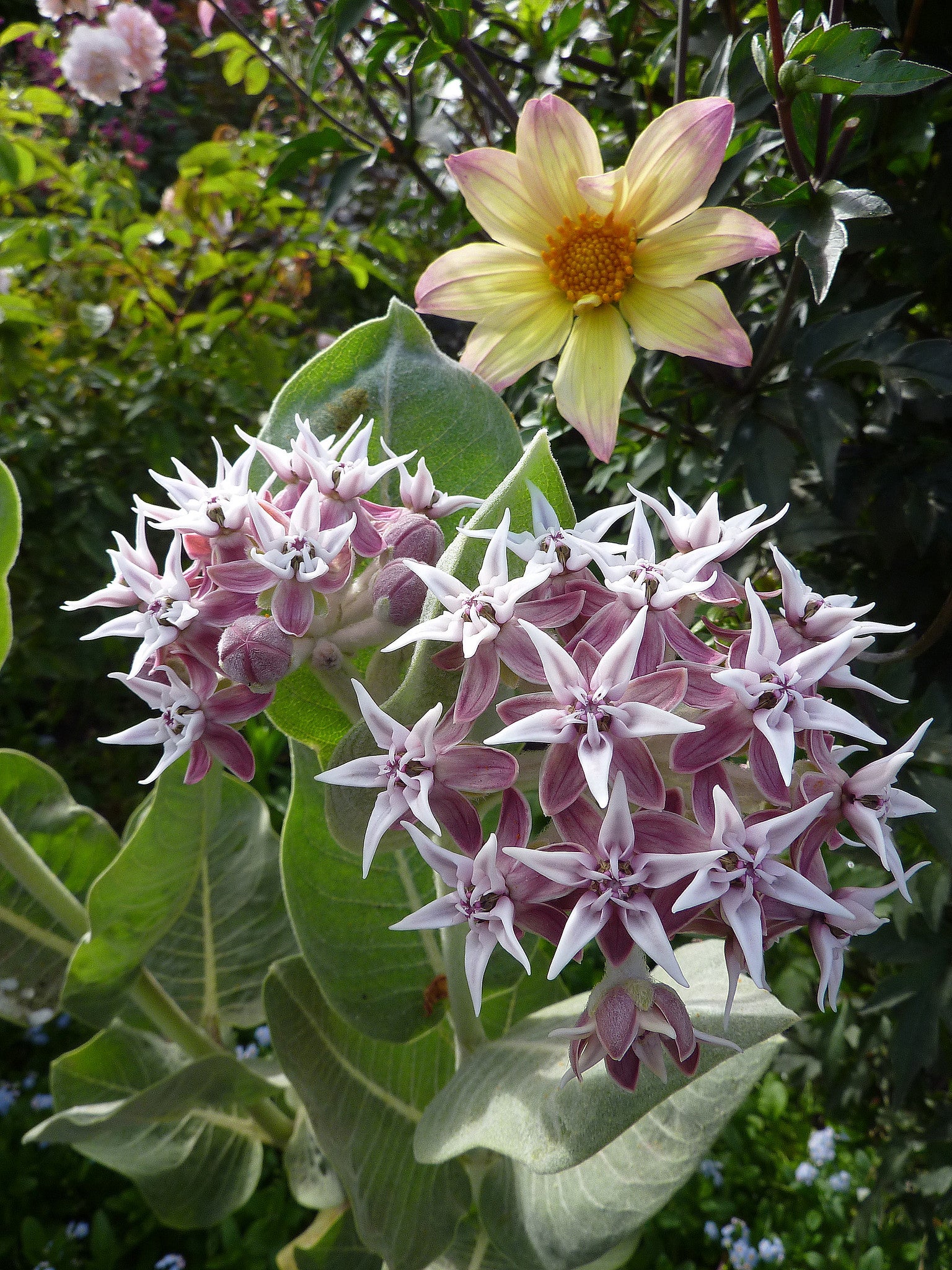
Undeniably gorgeous in leaf and bloom, everyone who can should grow our native perennial “Showy Milkweeds” as they are a host for Western Monarch Butterflies. This distinctive ‘Davis’ variety is easier and more vigorous than the species, and we love the silvery, downy foliage. Thrives in poor, dry, well-drained soil as well as regular garden soil. FRAGRANT flower clusters are 4-5” across of velvety pink and white star-flowers appear in late Spring to late Summer, then goes deciduous. But don’t worry, it will return next Spring with more stems.
Now this is important: Asclepias speciosa looks terrible in a 4” pot and ships dormant until June. But don’t dismay – just plant it – water it a bit the first year and don’t fret if it disappears – it’s just going temporarily dormant. Once established, you’ll be delighted with the fruits of your patience and so will our Monarchs, who can smell a milkweed a mile off. Look for their incredible chrysalises, glossy turquoise and emerald ringed with unbelievable glimmering gold beads.
USE OF BT UPDATE & GROWING NOTES:
We are pleased to announce that the California Department of Agriculture has recently lifted its requirement that our nursery use Bt (Bacillus thuringiensis), as a naturally occurring biological insecticide (also commonly used on organically grown fruits and vegetables), as control against LBAM (Light Brown Apple Moth) within the State of California. As a result we are no longer using BT in our nursery. Bt was known to be toxic to caterpillars, particularly the Monarch butterfly caterpillar, which is why we had always advised our customers to wait a growing season (or approximately one year) before introducing Monarch caterpillars to any Asclepias (Milkweed) plants. Waiting a season also helps ensure the plants are large enough and have enough foliage to provide sufficient food and the BT has had time to wear off.
Original: $12.99
-65%$12.99
$4.55Product Information
Product Information
Shipping & Returns
Shipping & Returns
Description
Undeniably gorgeous in leaf and bloom, everyone who can should grow our native perennial “Showy Milkweeds” as they are a host for Western Monarch Butterflies. This distinctive ‘Davis’ variety is easier and more vigorous than the species, and we love the silvery, downy foliage. Thrives in poor, dry, well-drained soil as well as regular garden soil. FRAGRANT flower clusters are 4-5” across of velvety pink and white star-flowers appear in late Spring to late Summer, then goes deciduous. But don’t worry, it will return next Spring with more stems.
Now this is important: Asclepias speciosa looks terrible in a 4” pot and ships dormant until June. But don’t dismay – just plant it – water it a bit the first year and don’t fret if it disappears – it’s just going temporarily dormant. Once established, you’ll be delighted with the fruits of your patience and so will our Monarchs, who can smell a milkweed a mile off. Look for their incredible chrysalises, glossy turquoise and emerald ringed with unbelievable glimmering gold beads.
USE OF BT UPDATE & GROWING NOTES:
We are pleased to announce that the California Department of Agriculture has recently lifted its requirement that our nursery use Bt (Bacillus thuringiensis), as a naturally occurring biological insecticide (also commonly used on organically grown fruits and vegetables), as control against LBAM (Light Brown Apple Moth) within the State of California. As a result we are no longer using BT in our nursery. Bt was known to be toxic to caterpillars, particularly the Monarch butterfly caterpillar, which is why we had always advised our customers to wait a growing season (or approximately one year) before introducing Monarch caterpillars to any Asclepias (Milkweed) plants. Waiting a season also helps ensure the plants are large enough and have enough foliage to provide sufficient food and the BT has had time to wear off.